Post-Hurricane Season Roof Inspection Checklist for Southwest Florida
Hurricane season runs June 1 to November 30. Here is what to look for once it ends, what to photograph and when to call a roofer.

Atlantic hurricane season runs from June 1 to November 30. Even in a year without a direct hit, months of tropical storms, wind-driven rain and summer thunderstorms add up. The end of the season is the best time to find small roof problems before they become leaks, and before next season puts the roof to the test again.
Start from the ground
You do not need to climb a ladder to spot most storm damage, and you should not walk on a roof yourself, especially a tile roof. From the yard, and from a second-story window if you have one, look for:
- Missing, lifted or creased shingles, especially along ridges, edges and corners where wind pressure is highest.
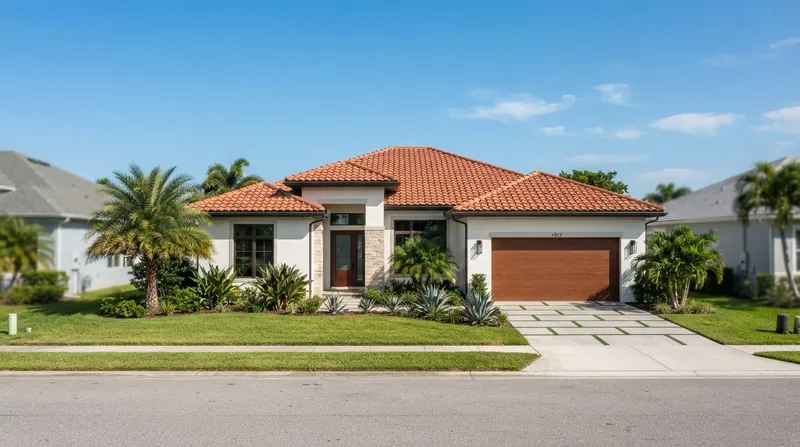
- Cracked, broken or slipped tiles, and tiles sitting out of line with their neighbors.
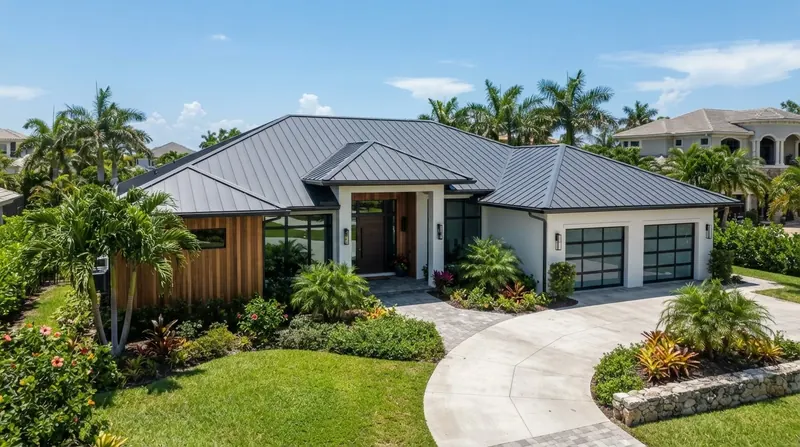
- Bent or loose metal: drip edge, flashing, gutters, or lifted metal roof panels and trim.
- Debris on the roof: branches and palm fronds can crack tiles and trap water.
- Granules in the gutters or at downspouts on shingle roofs, a sign of shingle wear.
Check inside the house
Many roof leaks show up inside before they show up outside. Look at ceilings, especially near exterior walls, around skylights and under valleys, for stains, bubbling paint or sagging drywall. If you can safely get into the attic, look for damp insulation, water stains on the underside of the roof deck and daylight where there should not be any.
Do not forget the details
- Pipe boots and vents. Florida sun dries out the rubber collars around plumbing vents, and a cracked boot is one of the most common leak sources.
- Flashing at walls and chimneys. Wind can lift and loosen flashing, letting water run behind it.
- Flat roof sections. Look for water still standing a couple of days after rain, plus blisters or open seams.
- Soffits and fascia. Damage here can let water and pests into the attic.
Document everything
If you find damage, take dated photos from the ground and of any leaks or stains inside before anything is repaired. Keep receipts for emergency measures like tarps. Report storm damage to your insurance company promptly and ask about your policy's deadlines for filing a claim.
When to call a roofer
Call a licensed roofing contractor if you see any of the damage above, if you have a new ceiling stain, or if your roof is older and has not been inspected in a while. In Florida, you can verify a contractor's license on the DBPR license search. Fair and Square Roofing is a State Certified Roofing Contractor (CCC1331318) and offers free roof inspections across Lee and Collier counties.
A quick checklist
- Walk the yard and look at every roof plane, ridge and edge.
- Look for debris, missing pieces and loose metal.
- Check ceilings and, if safe, the attic for moisture.
- Check pipe boots, vents and flashing as far as you can see them.
- Photograph anything that looks wrong.
- Schedule a professional inspection and report damage to your insurer.
Related questions
What should I do if my roof is damaged in a storm?
First, stay safe and keep off the roof. Take photos of any visible damage from the ground and of any leaks inside. If water is coming in, move belongings and catch drips. Then call us at (239) 503-0609 to schedule an inspection, and contact your insurance company to report the damage. Our post-storm roof inspection checklist covers what to look for.
What happens during a roof inspection?
We look at the roof covering itself (shingles, tiles, metal panels or membrane), the flashing at walls, valleys, chimneys and pipe boots, the ridge and hip details, and signs of soft or damaged decking. Inside, we check the attic or ceilings for staining and moisture where we can. Then we walk you through what we found and whether repair or replacement makes more sense.
Written by the Fair and Square Roofing team, a State Certified Roofing Contractor (CCC1331318) serving Lee and Collier counties.